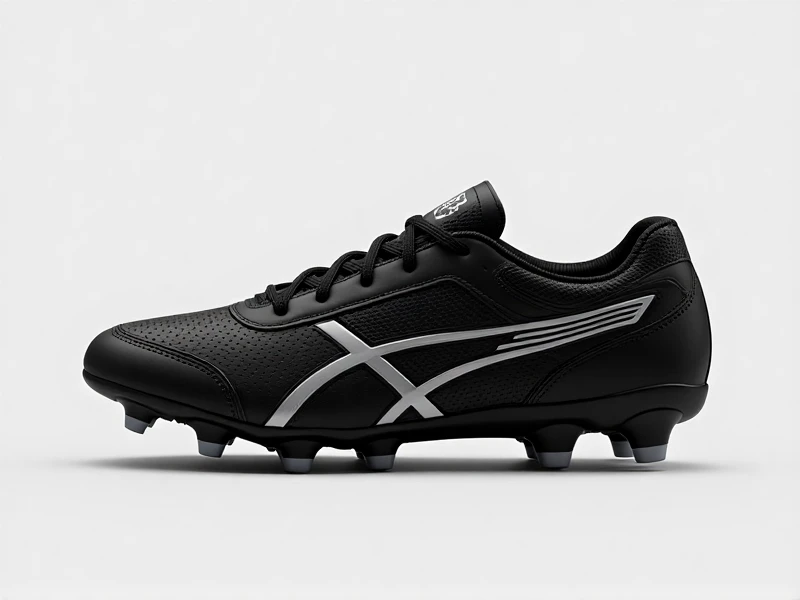
The Ultimate Athletic Shoes Guide: Find Your Perfect Pair
Finding the right athletic shoes isn't just about style – it's about unlocking peak performance and preventing injury. Whether you're a dedicated runner, a weekend gym warrior, or exploring outdoor activities, your athletic shoes are your foundation. This guide breaks down the essentials to empower your choice.
Why the Right Athletic Shoes Matter Investing in proper sport shoes goes beyond comfort. Ill-fitting or unsupportive footwear leads to blisters, joint stress, and decreases efficiency. The optimal shoe enhances stability during lateral moves, provides cushioning for high-impact workouts, and offers ankle support crucial for trails or basketball. Think of them as essential sports equipment.
Matching Your Shoes to Your Activity Not all athletic footwear is created equal. Sport-specific engineering targets unique demands:
- Running Shoes: Prioritize cushioning and shock absorption. Consider heel-toe drop and ample toe room. Road running shoes (lightweight, flexible) differ significantly from trail running trainers (grippy, protective).
- Cross-Training Shoes: Built for versatility. They combine lateral stability (side-to-side motions like lunges) with flexibility for lifting and moderate cushioning. Perfect for gym sessions, HIIT workouts, or group fitness classes.
- Court Shoes: Basketball, tennis, volleyball, etc., demand aggressive traction, ankle support, and durable uppers to handle quick stops and jumps. Look for reinforced sides and secure lacing systems.
- Walking Shoes: Emphasize cushioned comfort, durable outsoles, and roll-through support to promote a natural walking gait. Often lighter than running shoes.
Key Features to Look For
- Fit: Your sports sneakers should feel snug but not tight. Allow thumbnail space at the big toe and ensure your heel doesn't slip.
- Support & Stability: Crucial for overpronators (inward foot roll) or supinators (outward roll). Medial posts and structured midsoles prevent excessive movement.
- Cushioning: Balanced cushioning absorbs impact. Maximal cushioning suits high-impact activities, while minimalist options prioritize ground feel and weight.
- Breathability: Mesh uppers keep your feet cool and dry during intense activity.
- Outsole Traction: Match the tread pattern to your surface – gum rubber for courts, multidirectional lugs for trails.
When to Replace Your Athletic Shoes Most high-quality workout shoes last 300-500 miles (running) or 6-12 months of regular use. Pay attention to decreased cushioning, worn tread patterns, new aches or pains – these are clear signals your shoes need replacing.
In Conclusion Stop compromising on performance or comfort. Take the time to identify your primary sport, understand your foot type and gait, and prioritize the features that matter most. Your ideal athletic shoes are out there waiting to elevate your game and keep you moving confidently. Start your search equipped with this knowledge to find your ultimate fitness partners!