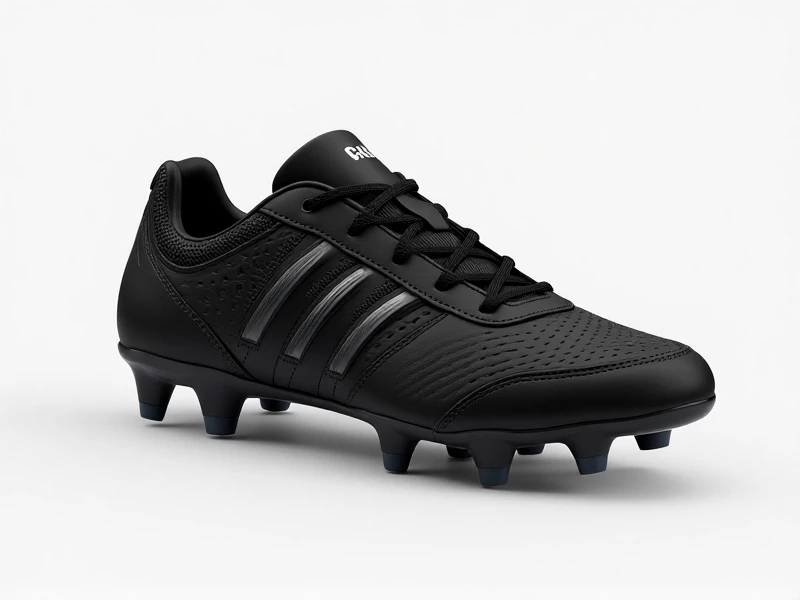
The Ultimate Guide to Choosing High-Performance, Breathable Athletic Shoes
Selecting the right pair of athletic shoes is crucial for achieving your fitness goals comfortably and preventing injuries. Whether you're hitting the track for a run, lifting weights in the gym, or exploring trails, high-performance athletic shoes designed for your specific activity are essential investments.
Modern athletic shoes offer much more than basic foot coverage. They incorporate advanced technologies focused on cushioning, support, stability, and breathability. For runners, shoes prioritize shock absorption to minimize the impact on joints during each stride, often featuring specialized midsole foams like EVA or TPU. Brands continuously innovate to provide superior energy return, helping to propel you forward efficiently.
Support features are fundamental. Stability shoes often include guided support systems to prevent excessive inward rolling (overpronation), crucial for maintaining proper alignment. Conversely, neutral runners typically look for athletic shoes focused on flexibility and cushioning without excessive correction. Basketball or cross-training shoes demand exceptional lateral support, reinforced heels, and grippy outsoles to handle quick stops and dynamic multidirectional movements without slipping.
Breathability is another key factor in athletic shoe design. High-performance athletic shoes utilize engineered mesh uppers, thoughtfully placed synthetic overlays for durability without bulk, and strategic venting panels. These features work together to keep your feet cool and dry by allowing air to circulate effectively and wicking moisture away from the skin, preventing blisters and discomfort during intense workouts even in warmer environments.
Prioritizing fit is non-negotiable. Your athletic shoes should feel secure, supportive, and comfortable from the first step. Aim for about a half-inch (roughly a thumb's width) of space between your longest toe and the end of the shoe to prevent toenail bruising or blisters, especially during downhill runs or extended periods of wear. Pay attention to the midfoot and heel – these areas should feel snug but not constrictive. If your foot shifts within the shoe during activity, it’s usually a sign of poor fit or inadequate support. Trying on athletic shoes later in the day when feet are naturally slightly swollen ensures a more accurate fit.
Understanding your primary activity and personal biomechanics is the first step in finding your perfect match. High-quality athletic shoes provide the foundation you need to train harder, move freely, and reach your peak performance. Don't underestimate the power of the right footwear – your feet deserve the best support technology and innovation can offer. Investing time in choosing the correct athletic shoes translates directly into comfort, enhanced performance, and long-term foot health.